service
For pianos last tuned 2–6 years ago. We’ve never met a piano we were embarrassed to work on — yours won’t be the first.
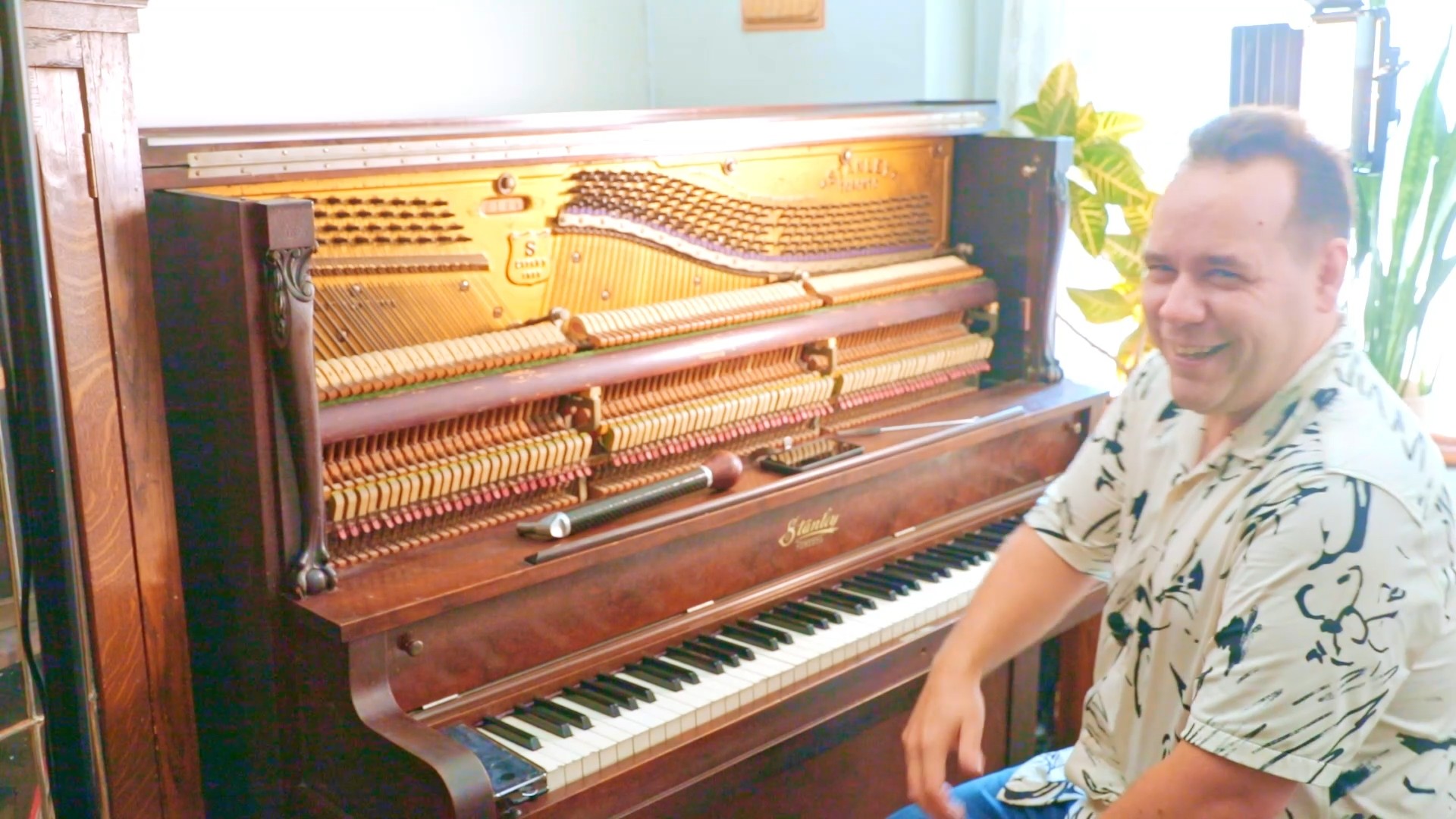
Life happens, and pianos wait patiently while it does. If it’s been a couple of years — or five — since your piano was last touched, there’s a good chance it’s dropped well below standard pitch (A440). That’s completely normal, and it’s exactly what a pitch raise is for.
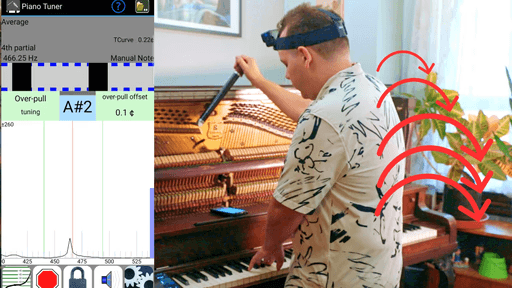
Here’s the part most people don’t expect: a piano that’s significantly flat can’t just be tuned once. If we tried, the strings would immediately pull it back out of tune within days, because the whole frame is still under the wrong tension. So a pitch raise is really two tunings in one visit — the first brings the piano up close to A440, the second stabilizes and fine-tunes it. That’s why it takes longer and costs more than a standard tuning, and it’s also why it holds.
🎹
🕒
📍
Signs: Noticeably flat pitch, or a piano inherited, bought secondhand, or moved recently
Common questions
Why can’t you just tune my piano once if it’s flat?
Because the tension shift is too large. One pass gets it close; a second pass locks it in. Skipping the second tuning means it’ll sound “off” again within weeks.
Will a pitch raise damage my piano?
No — done properly, in two controlled passes, it’s the safest way to bring a flat piano back up. The risk actually goes up the longer you wait, not from doing the pitch raise itself.