service
Extreme Pitch Raise Tuning
For pianos untouched 6+ years. Yes, it can probably still be saved — and no, we won’t make you feel bad for waiting.
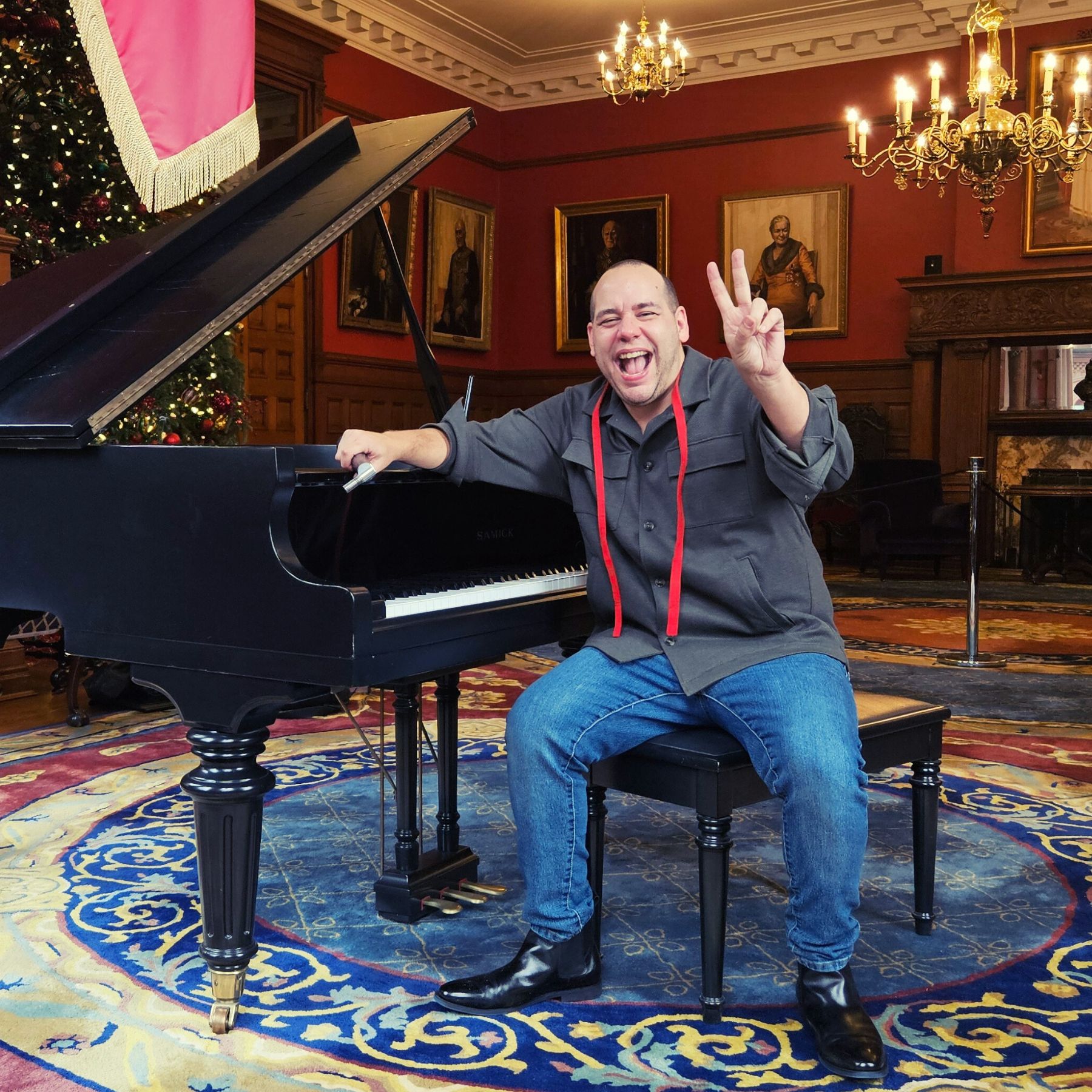
If it’s genuinely been six years or more — or you’re not sure, but you know it’s “a while” — your piano has likely dropped far enough below A440 that it needs a more careful, multi-pass approach. We’ve tuned pianos that sat silent for decades, moved through three households, or came with a “we’re not sure it can even be tuned anymore” from the family that owned it. Almost all of them could be.
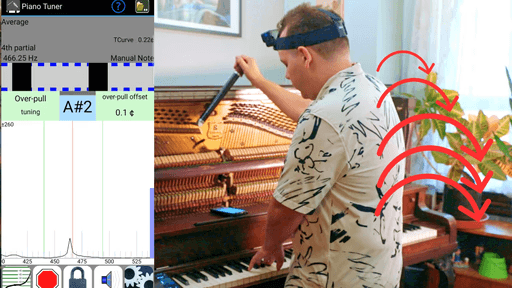
An extreme pitch raise is three tunings in one visit: a first rough pass to bring the piano most of the way to pitch, a second pass to stabilize it, and a third to fine-tune. We take it slow on purpose — bringing a severely flat piano up too fast is the actual risk here, not the tuning itself. Done in controlled stages, it’s a safe process, even for pianos with rust on the strings or a pin block that’s seen better days.
🎹
🕒
📍
Visible string rust, or the tuning pins feel loose when a technician tests them
🎹
The piano is inherited, was in storage, or came from an estate
⚠️
What it protects against: attempting a single full-force tuning on a badly flat piano, which is what actually causes broken strings and structural stress — not the age of the piano itself.
Common questions
Can a piano that hasn’t been tuned in 10+ years still be saved?
Almost always, yes. Age alone rarely disqualifies a piano — condition does. We’ll tell you honestly on-site if yours is the exception.
Will my piano’s strings break during an extreme pitch raise?
It’s a real risk with a rushed, single-pass tuning on a badly flat piano - which is exactly why we don’t do it that way. The multi-pass approach exists specifically to bring tension up safely and gradually to avoid that.
How much does an extreme pitch raise cost?
It’s one of our most intensive services, since it’s genuinely three tunings’ worth of work in one visit. See current pricing on our pricing page.